

Paperboard packaging plays a critical role in how products are protected, presented, and experienced by customers. While it may appear simple, creating an effective package requires careful consideration of materials, structure, manufacturing processes, and end use. A carton that looks appealing on a design screen may encounter challenges once it moves through production, shipping, retail …
 by norkol
Packaging has traditionally been viewed as a product protection tool, but its role now extends far beyond the moment an item reaches a customer. Companies are increasingly examining what happens after packaging is discarded, reused, or recycled. Extended Producer Responsibility (EPR) changes the conversation by connecting packaging choices with long-term environmental outcomes. According to the …
by norkol 
Packaging is no longer a quiet operational necessity. It’s become a visible signal of how a company designs, delivers, and defends value in the market. Customers, regulators, and supply chain partners increasingly read packaging choices as indicators of operational maturity, environmental responsibility, and brand discipline. Instead of being evaluated after product design, packaging now actively …
by norkol 
Packaging strategy is rarely decided in isolation. It sits at the intersection of procurement, production, and logistics, where timing and coordination matter as much as cost. As companies reassess global dependencies, regional dynamics are reshaping how those decisions unfold. Deloitte reports that U.S. trade with China dropped significantly between 2018 and 2023, reflecting a broader …
by norkol 
Choosing the right packaging materials is one of the most strategic decisions a business can make. Packaging goes beyond just the wrapping of a product; it’s a communication tool, a protection system, and increasingly, a sustainability statement. Essentially, the material selected influences product safety, customer perception, logistical costs, and environmental impact. Traditional materials such as …
by norkol 
Choosing the right packaging supplier begins well before conversations about pricing or production timelines. A successful partnership starts with clarity around internal priorities. Organizations that take the time to define what they truly need from packaging are better positioned to evaluate suppliers objectively rather than reactively. This includes understanding packaging volumes, material requirements, regulatory considerations, …
by norkol 
Packaging waste in food, beverage, health, pharmaceutical, and tobacco products rarely comes from carelessness. More often, it results from legacy decisions that prioritize material thickness over true performance. As packaging lines scale and distribution networks expand, paperboard specifications are frequently carried forward without reexamination. Thicker board becomes a stand-in for durability, even when it no …
by norkol 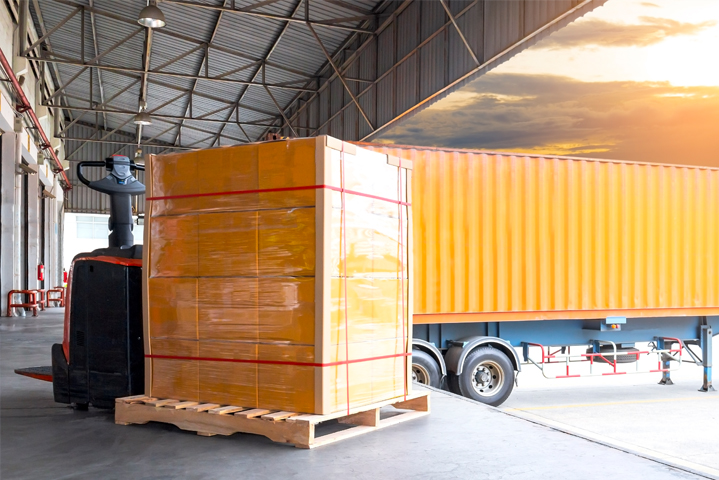
To the logistics team, getting products in their best state from point A to point B is an uphill task. But to the outside world, it’s quite a simple task – just packaging and choosing a freight carrier. Not quite, though! It’s a process that requires time and thought. And here are seven tips to …
by norkol 
Besides choosing a reliable freight transit company, you’ll need to pick the right internal and external packaging for your products to prevent damaging fragile products. The right packaging also keeps your shipment in its best shape and protects against various weather elements. However, there are many packaging materials and options, making it hard to choose the …
by norkol 
As seen in Packaging Strategies Paperboard packaging is a staple for food and pharmaceuticals brands because it’s easily sourced and cost effective — but there’s more to paperboard than convenience. With the popularity of over-the-counter (OTC) pharmaceuticals and shelf-stable packaged food products, quality paperboard packaging in both substance and design is an asset for both …
by norkol Input your search keywords and press Enter.